
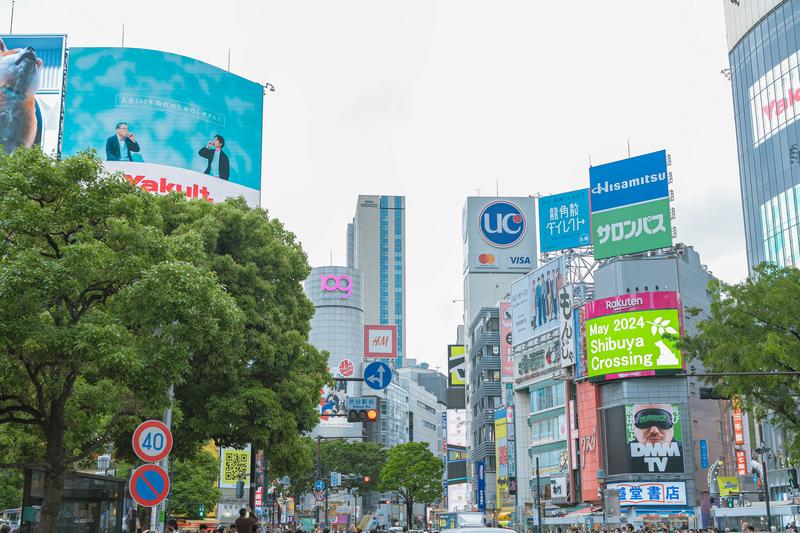
Before visiting Japan, it’s good to know that there are many unique cultural habits and manners that may not be familiar to most tourists. Some actions that seem perfectly fine in your country could actually be considered rude in Japan. To help you avoid awkward moments and enjoy a more comfortable trip, here are the TOP 10 unknown Japanese manners you should know before you go!
10. No Dish Left Behind!
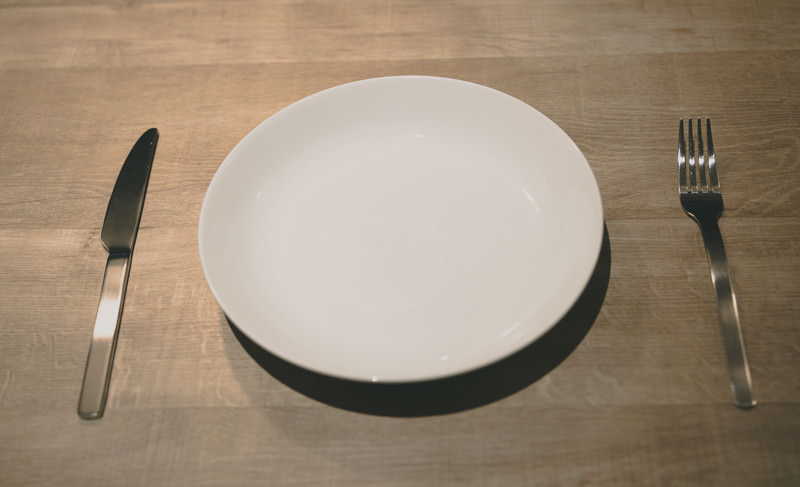
It is considered good manners to finish everything on your plate when dining out. Leaving food behind can be seen as wasteful or impolite. In some cases, chefs may even warn you that you’ll be charged extra if you can’t finish your meal. This is especially true at certain ramen shops, like the famous “Ramen Jiro,” where they serve huge portions at a great value. So if you order, be prepared and don’t forget to finish your bowl!
9.No Handshakes or High Fives — Just a Nice Bow!

Unlike many other countries, handshakes are not the usual way of greeting in Japan. Instead, people bow slightly, which carries the same meaning as a handshake. Bowing is especially common when meeting someone for the first time or when greeting people you’re not very close to. So, if you’re unsure, a polite bow is always the safest choice!
8. Escalator Rules Change by City!
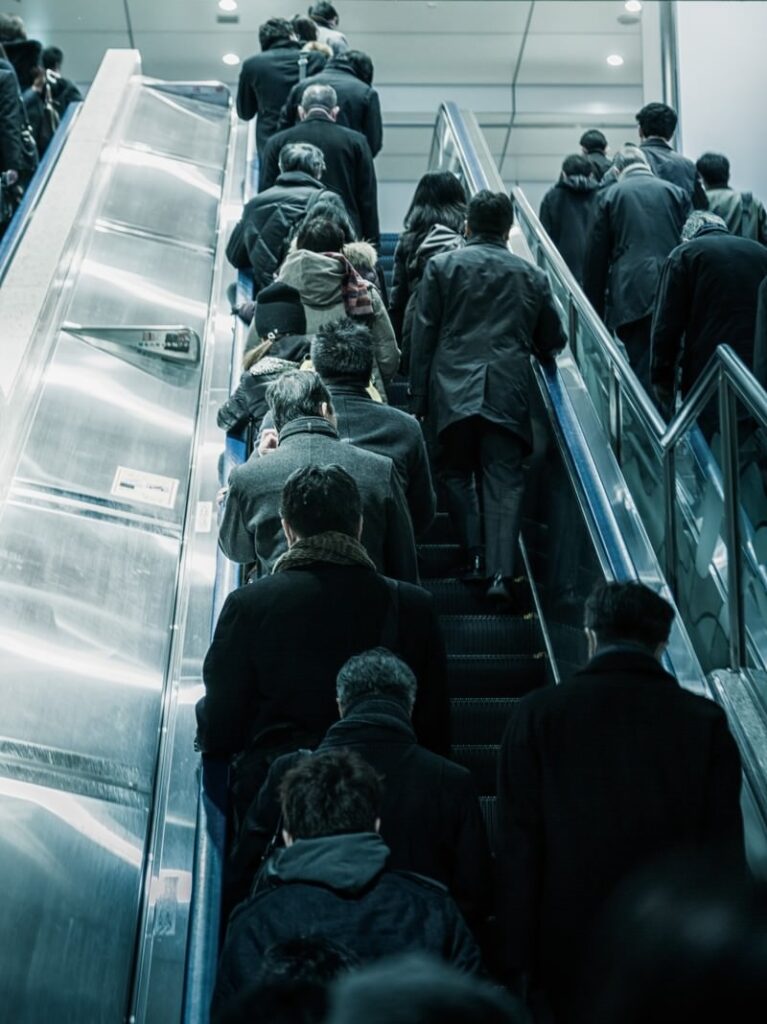
In many countries, it’s common to stand on one side of an escalator and leave the other side open for people who want to walk through. Japan follows this custom too, but with a unique twist! The side you stand on depends on the region. In Tokyo and most eastern areas, people stand on the left and walk on the right. But in Osaka and much of western Japan (except Kyoto), it’s the opposite, and people stand on the right and walk on the left. So, keep this in mind to blend in smoothly with the local flow!
7. No Eating While Walking!
Outside of festivals and major tourist spots, you’ll rarely see people eating while walking in Japan. Many shopping streets and stores even prohibit outside food, since strong smells could disturb other customers. This is part of Japan’s culture of consideration for others in public spaces!
6. No Eating On Public Transportations!
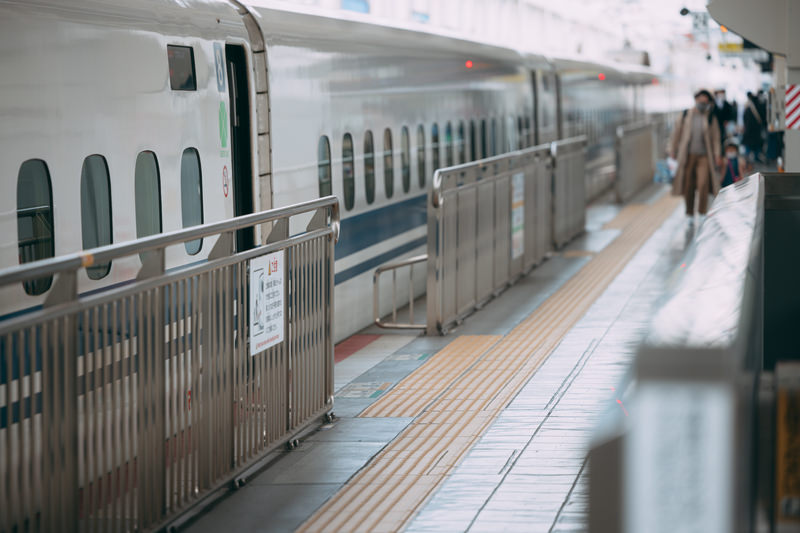
Even though eating on regular trains and buses in Japan isn’t strictly forbidden, most locals avoid it because the smell of food might bother other passengers. So while it’s not “wrong,” it’s generally considered better manners not to eat there. The big exception is the Shinkansen (bullet train), where it’s very common to enjoy an “ekiben” (a special bento box sold at train stations). On these longer rides, many passengers look forward to eating their ekiben as part of the travel experience. But on normal trains or buses, you’ll rarely see people eating, so be careful!
5. No Tips Needed!
In many countries, tipping is a normal part of dining and service, and not leaving a tip could even be considered rude. But in Japan, tipping is often NOT allowed. For example, in restaurants, staff are usually instructed by their managers not to accept tips. If you try to leave money, they will politely return it to you. Instead of tips, good service is simply considered part of the job!
4. On Time Means On Time!
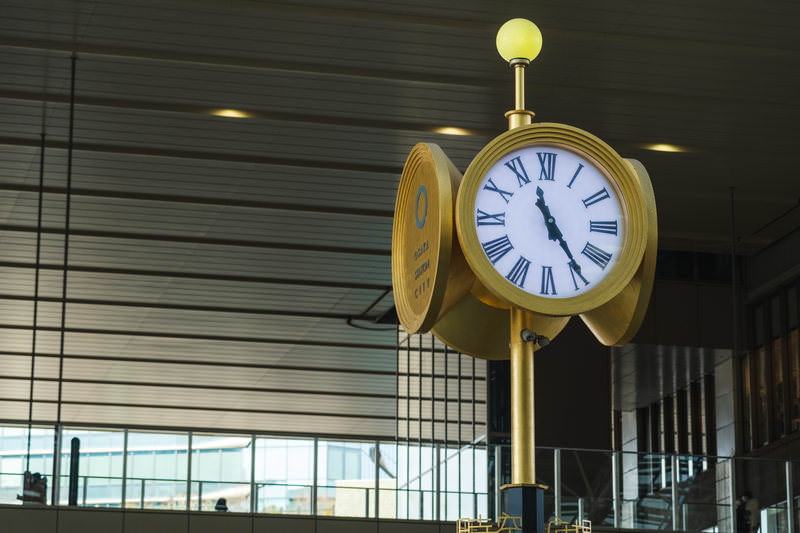
Japan is famous for its incredible punctuality, and you’ll notice it most with public transportation. Trains and buses run with remarkable precision, often down to the very minute. In fact, even a one-minute delay is considered “late” in Japan! So don’t underestimate Japanese transportation! If you plan to catch a train or bus, make sure to arrive on time. They won’t wait for late passengers!
3. Call The Waiter!
In some parts of Europe, calling a waiter to your table might be seen as rude. However, in Japan, it’s completely normal. In fact, waiters usually won’t come over unless you call them. Many restaurants even have buzzers or buttons at the table for this very reason. So don’t hesitate to call the staff when you’re ready to order! It’s just how things work in Japan!
2. No Phone Calls On Train!
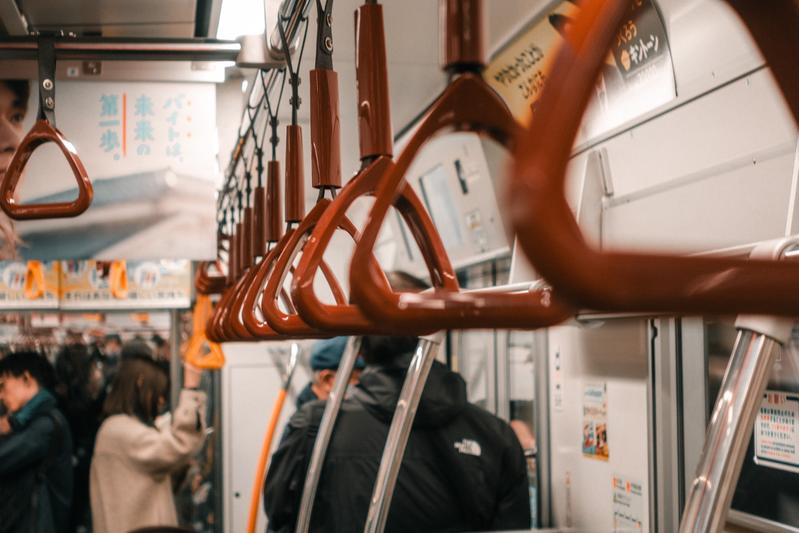
Japan is known for its quietness, and one of the most important rules is NO phone calls on trains. Talking on the phone inside can be seen as very rude. Instead, Japanese people will either step outside the train to take the call or quickly tell the caller they’re on the train before hanging up. This shows how much importance is placed on keeping the train environment quiet and comfortable for everyone!
1. Cash culture!
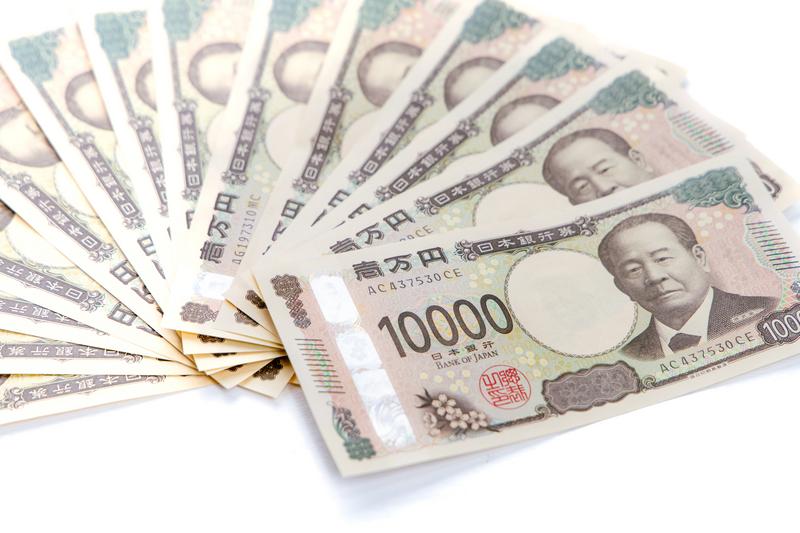
While many countries have moved almost entirely to cashless payments, some shops in Japan still ONLY accept cash. You might think Japan is fully modernized, but in some ways, traditional habits are still strong. To avoid inconvenience, make sure to carry some cash, even if you usually rely on cards!


コメント